 Arcade Nebula
Arcade Nebula
Arcade Nebula
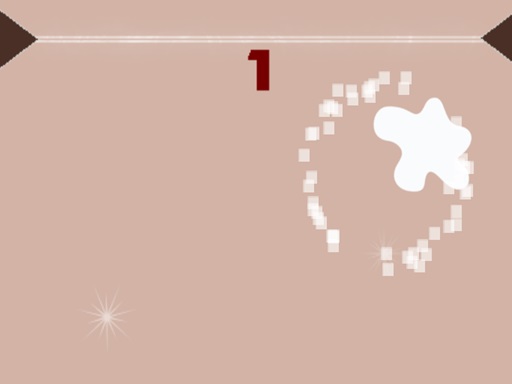
Square Turn Reaction Game succeeds by removing everything except a single decision: turn now or crash. The escalating speed and unpredictable obstacles create real pressure without visual clutter, and the separate score and survival-time records give two distinct goals. Its minimalism is also its limit—players wanting depth, story, or variety may find the loop narrow. Best for those who enjoy pure timing challenges and short, repeatable attempts.
Square Turn Reaction Game strips arcade play down to one repeated action: changing direction by exactly 90 degrees. The square moves forward on its own, so you never control speed or path—only when and which way to turn. Obstacles appear without warning, and a single collision ends the run. That constraint is the whole design. There is no health bar, no second chance, and no way to brake. You either turn in time or the session is over.
Early moments are deliberately slow, giving new players room to learn the rhythm of the turn input. As a session continues, the square accelerates and obstacles arrive more often and with less predictability. The shift is gradual rather than sudden, so the pressure builds through the run itself. Because the path is not memorizable in advance, survival depends on reading the screen and committing to a direction before hesitation costs you the attempt.
Directional inputs—keyboard arrow keys or screen taps on mobile—trigger the turn instantly. There is no animation delay or cooldown to account for, which keeps the feedback loop tight: see obstacle, input turn, continue. Points accumulate for each obstacle dodged, and the game separately records the longest time survived in a single session as a personal best. Those two metrics reward different things—aggression versus endurance—and give repeat attempts a clear target.
The clean, minimal presentation removes visual noise so the square and incoming obstacles stay legible at higher speeds. Runs are short by nature, which suits quick breaks as well as longer focused stretches. The loop encourages replay because each attempt starts fresh and the difficulty curve resets with it. Players who enjoy pure reaction challenges, rather than narrative or progression systems, are the natural audience here.
Sign in to comment
You must be logged in before posting a review or rating.
No comments yet. Be the first to comment!


Editorial Notes