 Arcade Nebula
Arcade Nebula
Arcade Nebula
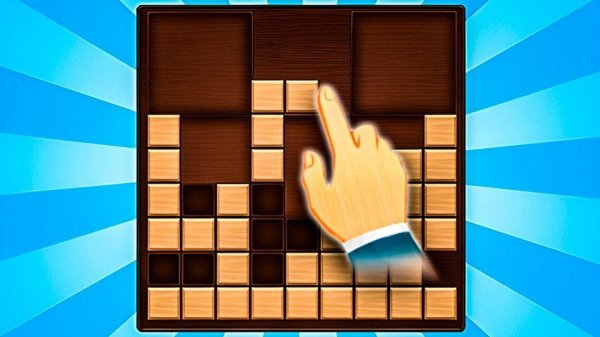
Timber Tile Tactics succeeds by focusing on a single, well-executed mechanic. The act of dragging wooden shapes onto a grid and clearing lines is satisfying without being frantic. The lack of timers or pressure lets you think through each move, which is a welcome change from many modern puzzle games. The visual design is clean and warm, creating a relaxing atmosphere. The global leaderboard adds a light competitive layer without detracting from the core experience. It is an ideal game for unwinding or for sharpening spatial reasoning skills in short bursts.
At its heart, Timber Tile Tactics presents a straightforward challenge: fit a series of wooden shapes onto a grid. Each shape appears one at a time, and you drag it to an empty spot. The goal is to fill an entire horizontal row or vertical column. Once complete, that line disappears, freeing up space and adding to your score. This create-and-clear cycle forms the basis of every session. The game does not rush you, so you can take as long as you need to consider each placement. This makes it a good choice for unwinding after a busy day or for a focused mental workout during a short break.
The game uses a clean, uncluttered look with wooden tiles that have a natural, warm appearance. The colors are soft and inviting, avoiding harsh contrasts that might strain the eyes. Animations are smooth but subtle, providing feedback without being distracting. There are no timers, no flashing elements, and no aggressive sound effects. This design philosophy keeps the focus on the puzzle itself. The overall feel is one of calm concentration, similar to working on a jigsaw puzzle or arranging pieces on a board game. This aesthetic makes it easy to play for extended periods without feeling overwhelmed.
While the basic action is simple, Timber Tile Tactics requires forward thinking. Each shape you place affects future options. If you fill the grid haphazardly, you may quickly run out of room. Successful players learn to anticipate which shapes might appear next and leave gaps that can be filled by common patterns. Rotating each piece before placing it adds another layer of decision-making. The game rewards those who plan several moves ahead, similar to chess or other turn-based strategy games. This blend of relaxation and mental challenge gives the game lasting appeal beyond a first playthrough.
Points are awarded for each line cleared. Clearing multiple lines at once can yield bonus points, encouraging efficient play. The game tracks your highest score, giving you a personal target to beat. There is no set endpoint; you simply play until the grid becomes too full to place the next piece. This open-ended structure means each session can be as short or as long as you like. The lack of levels or stages keeps the focus on improving your own performance. Over time, you will develop better spatial reasoning and pattern recognition, which translates directly into higher scores.
Because the controls are simple drag-and-drop and there is no time pressure, Timber Tile Tactics is accessible to young children and older adults alike. The wooden tile theme avoids any potentially scary or confusing imagery. The game does not require reading or complex instructions, so even pre-literate players can enjoy it. Families can take turns trying to beat each other's scores, adding a friendly competitive element without any pressure. This broad accessibility makes it a reliable choice for family game time or for solo relaxation.








Player Comments
Sign in to comment
You must be logged in before posting a review or rating.
No account? Create one
No comments yet. Be the first to comment!