 Arcade Nebula
Arcade Nebula
Arcade Nebula
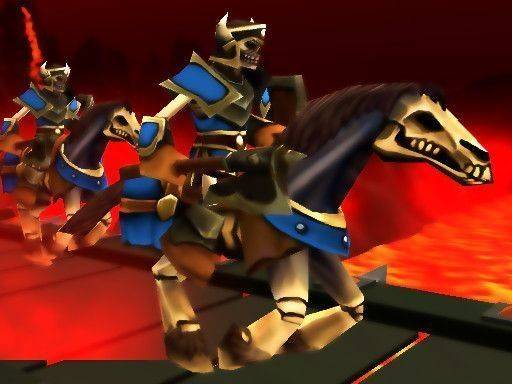
Command & Counter: Siege Tactics delivers a satisfying strategic experience for players who enjoy methodical gameplay. The campaign structure provides a clear sense of progression, with each mission introducing new enemy patterns that require adaptation. Unit management and resource allocation are handled with enough depth to keep decisions meaningful without becoming overwhelming. The game rewards patience and observation, making it a solid choice for fans of turn-based or tactical defense genres.
The game is built around a series of missions that form a coherent campaign. Each mission introduces a new battlefield layout and a distinct set of objectives. Early missions serve as a training ground, teaching the basics of unit control and resource allocation. As players advance, they encounter more complex enemy formations that require thoughtful counter-strategies. Completing a mission unlocks access to the next, along with opportunities to reinforce and upgrade available forces. This structure provides a clear sense of advancement and encourages players to refine their approach with each new challenge.
At the heart of gameplay is the ability to manage a roster of units, each with its own strengths and roles. Before a mission begins, players review their available forces and select those best suited for the upcoming objectives. During combat, units are placed on the battlefield in positions that maximize their effectiveness. The game rewards careful positioning, as a well-placed unit can control key areas or counter specific enemy types. Players must also decide when to commit units to offense and when to hold them in defensive positions. This balance between aggression and caution defines the tactical depth.
Resources earned from completed missions are used to strengthen the army. Players can invest in upgrading existing units, unlocking new capabilities, or expanding their roster. Every upgrade choice has strategic implications, as resources are limited and must be allocated wisely. The game encourages experimentation, allowing players to try different upgrade paths across multiple playthroughs. This system adds a layer of long-term planning, as decisions made early can affect options available in later missions.
Enemies in the campaign are not random; they follow predictable patterns that players can learn and exploit. Each mission introduces new enemy types with unique behaviors and weaknesses. Success requires observing these patterns and adjusting tactics accordingly. A strategy that works for one mission may fail in the next due to different terrain or enemy composition. This design keeps the gameplay fresh and rewards attentive players who study the battlefield before committing their forces.
The game offers significant replay value through its emphasis on strategic variety. Players can approach each mission with different unit combinations and placement strategies. The scoring system, which may reward efficiency and minimal losses, encourages players to revisit earlier missions to improve their performance. This design ensures that the game remains engaging even after the initial campaign is completed, as players strive to master each scenario.






Player Comments
Sign in to comment
You must be logged in before posting a review or rating.
No account? Create one
No comments yet. Be the first to comment!