 Arcade Nebula
Arcade Nebula
Arcade Nebula
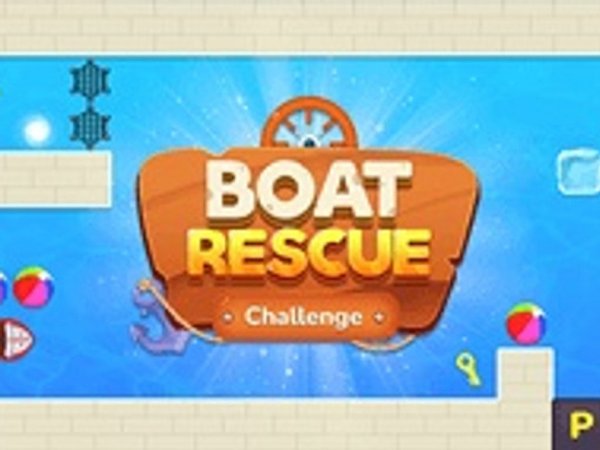
Tiny Vessel Key Hunt stands out among casual puzzle games for its thoughtful level design. The moving blocks and gates create genuine spatial reasoning challenges without feeling unfair. The gradual difficulty curve ensures that newcomers are not overwhelmed, while later stages offer satisfying complexity for experienced players. The clean visuals and calm audio make it a relaxing choice for short breaks. Controls are responsive on both desktop and mobile, which is essential for a puzzle game of this type. The absence of time pressure allows players to think through each move carefully.
In Tiny Vessel Key Hunt, the primary task is to navigate a small boat across each stage to locate and retrieve three concealed keys. These keys are placed in distinct locations, often behind moving obstacles or within enclosed areas. Once all three are collected, a sealed door opens, granting passage to the next puzzle. The challenge lies in plotting an efficient path while avoiding barriers that block or delay progress.
Each level introduces a fresh arrangement of moving blocks, rotating gates, and sliding walls. These elements are not random but follow predictable patterns, allowing players to study their timing. Some obstacles shift horizontally, others vertically, and a few require waiting for a safe window to pass. The variety keeps each stage from feeling repetitive, as the arrangement of barriers changes the optimal route.
The game presents a clean, colorful aesthetic with soft edges and bright water tones. The boat is rendered in a simple cartoon style, and the keys glow to remain visible against the background. Background music is light and unobtrusive, with gentle sound effects for key collection and door unlocking. This design makes the experience pleasant for short play sessions.
Early stages serve as a tutorial, with only one or two moving obstacles and keys placed in plain sight. As players advance, the number of barriers increases, and keys become hidden behind multiple layers of moving parts. The difficulty ramps up gradually, ensuring that new mechanics are introduced at a comfortable pace. Later levels may require backtracking or waiting for specific moments to cross a path.
Players control the boat using either a mouse click or touch input. The boat moves to the tapped location, and the interface shows a clear indicator of the current position. No complex gestures or button combinations are needed, making the game accessible to younger players and those unfamiliar with intricate controls. The same control scheme works across desktop browsers and mobile devices.





Player Comments
Sign in to comment
You must be logged in before posting a review or rating.
No account? Create one
No comments yet. Be the first to comment!