 Arcade Nebula
Arcade Nebula
Arcade Nebula
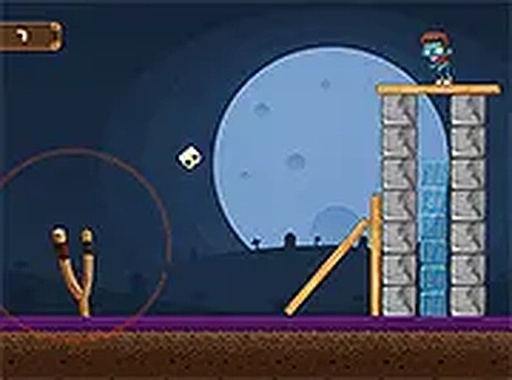
Stack & Topple Logic Challenge offers a polished puzzle experience built around realistic physics. The level design is thoughtful, introducing new structural complexities at a comfortable pace. Controls are responsive, and the visual feedback makes each successful collapse feel earned. While the core concept is simple, the game provides enough variety to hold interest for many sessions. It is a solid choice for anyone who enjoys brain-teasers that combine logic with a bit of physical intuition.
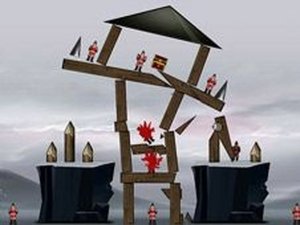
At its heart, Stack & Topple Logic Challenge is a game about understanding cause and effect. Players are presented with a structure built from various blocks and objects. Using a limited supply of projectiles, the goal is to destabilize and knock down the entire arrangement. Success depends on identifying weak points and predicting how the physics simulation will respond to each impact. The game rewards patience and careful observation over speed.
The stages in this game are crafted to introduce new challenges gradually. Early levels feature simple towers that fall with a single well-placed shot. As players advance, they encounter structures with interlocking pieces, balanced elements, and obstacles that require multiple hits to break. Some levels include moving parts or platforms that shift, adding a timing element to the strategic mix. This progression ensures that the difficulty curve remains engaging without becoming frustrating.
The game presents its puzzles with clean, colorful visuals that make each object distinct. When a structure collapses, the physics simulation provides clear visual and audio feedback. Blocks tumble, slide, and bounce in a way that feels natural and satisfying. This clarity helps players learn from each attempt, as they can see exactly why a particular shot succeeded or failed. The interface is uncluttered, keeping the focus on the puzzle itself.
While the controls are simple, mastering Stack & Topple requires thoughtful planning. Players can experiment with different launch angles and power levels to see how the structure reacts. A direct hit on a central support might cause a total collapse, while a glancing blow might only chip away at the edges. Some levels encourage using the environment—ricocheting a projectile off a wall or using one falling block to knock into others. This depth keeps each stage feeling fresh.
The game is designed to be accessible to a wide age range. Its gentle learning curve means younger players can enjoy the early stages, while the later puzzles provide enough complexity to challenge adults. There is no time pressure or penalty for failure, allowing players to retry as many times as they like. This relaxed pace makes it a good choice for casual gaming sessions or as a brain-teaser during short breaks.

Player Comments
Sign in to comment
You must be logged in before posting a review or rating.
No account? Create one
No comments yet. Be the first to comment!