 Arcade Nebula
Arcade Nebula
Arcade Nebula
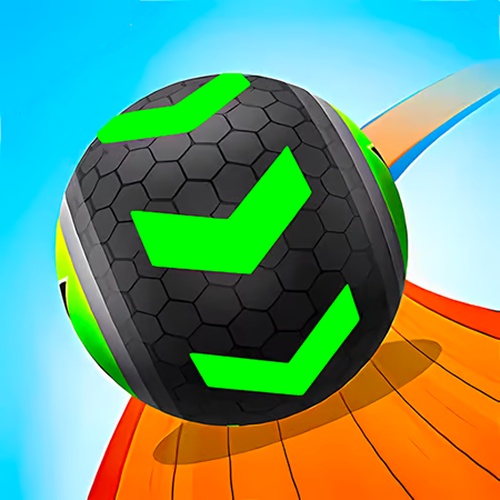
Marble Maze: Precision Arcade succeeds by focusing on one core mechanic and executing it well. The tap-to-jump controls feel immediate and accurate, giving you full responsibility for every mistake. Track layouts are varied enough to stay interesting, with gaps and turns that require genuine skill to navigate. The visual feedback is clear, and the lack of timers removes unnecessary pressure. It is a solid choice for anyone looking for a straightforward reflex challenge that respects your time and offers genuine room for improvement.
At its heart, Marble Maze: Precision Arcade is about maintaining momentum. The marble moves forward automatically, and your only job is to tap at the right moment to jump or shift direction. This stripped-down control scheme means success depends entirely on your ability to read the track ahead and react instantly. The physics feel responsive, with each tap producing a clear, predictable result.
Courses are built around a few core obstacles: sudden gaps that require precise jumps, narrow pathways that demand steady control, and sharp turns that test your reaction speed. As you progress, these elements combine in new ways. A straight section might lead into a series of quick jumps, followed by a winding path with tight corners. The layout keeps you alert without feeling random.
The game uses bright, clean visuals that make obstacles easy to spot. The marble leaves a subtle trail, helping you see your path and learn from mistakes. Each successful jump and near-miss is accompanied by clear audio cues, reinforcing good timing. The overall presentation is polished but not distracting, letting you focus on the task at hand.
There is no set endpoint. Instead, the challenge lies in beating your own best distance. Each run is a fresh attempt, and the track layout changes slightly to keep things interesting. This format encourages repeated play without becoming repetitive. The lack of timers or pressure means you can play at your own pace, making it suitable for both quick sessions and longer practice runs.
New players can start immediately, as the controls are explained in seconds. The early sections are forgiving, giving you room to learn the timing. As you improve, the difficulty ramps up gradually, introducing tighter gaps and more complex sequences. This natural progression means you always feel like you are getting better, even when you fail.





Player Comments
Sign in to comment
You must be logged in before posting a review or rating.
No account? Create one
No comments yet. Be the first to comment!