 Arcade Nebula
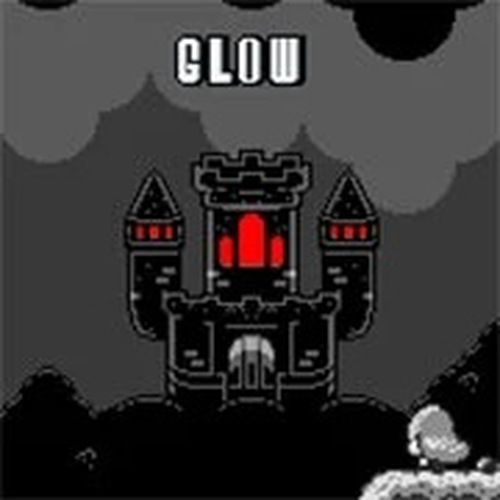
Hue Runner succeeds by keeping its mechanics tight and its world inviting. The color-themed levels are more than just eye candy; they help define each stage's identity. The wall jumping feels responsive, and the decision to offer unlimited lives removes frustration while still demanding skill. The hidden collectibles and secret exits provide a good reason to replay stages. It is a well-crafted browser game that respects the player's time and offers a rewarding experience for fans of the genre.
In Hue Runner, players guide a small protagonist through a series of levels where each area has its own distinct color theme. The world has lost its brightness, and the goal is to progress through stages that gradually become more vivid as you advance. The game draws visual inspiration from early handheld consoles, using a limited but effective palette that gives each level a unique atmosphere. The core loop is straightforward: move from the start of a stage to the exit while overcoming environmental obstacles. The character's small size means that precision is key, as even slight missteps can lead to falling into pits or colliding with hazards.
Beyond basic running and jumping, players can perform wall jumps to reach higher platforms and traverse vertical sections. This technique is essential for accessing many of the hidden areas scattered throughout each stage. The controls are responsive, allowing for quick adjustments mid-air. The game rewards players who take the time to master these movements, as some of the most rewarding paths require a series of well-timed wall jumps. The level design encourages experimentation, with multiple routes that lead to the same exit. Some paths are more direct, while others offer extra collectibles or shortcuts for those willing to explore.
Each level contains four glowing spheres hidden in various locations. Collecting all four in a single attempt without failing unlocks a secret exit that leads to bonus content. This system adds a layer of replayability, as players must decide whether to rush to the finish or take their time to search every corner. The secret exits often lead to stages with different visual themes or increased difficulty, providing extra challenges for those who seek them. The game also features two distinct endings, which can be experienced in one playthrough depending on the paths chosen. This encourages multiple runs to see all the content.
Hue Runner adopts a forgiving approach to difficulty by offering unlimited lives. Players can retry any section as many times as needed without penalty. This design choice shifts the focus from avoiding failure to mastering the level layout and enemy patterns. The game does not punish mistakes harshly, which makes it accessible to newcomers while still offering enough challenge for experienced players. The unlimited lives system also encourages risky maneuvers, such as attempting a difficult wall jump sequence or exploring a dangerous-looking path, knowing that failure simply means restarting from a nearby checkpoint.
The art direction emphasizes simplicity and clarity. Each level uses a distinct color scheme that influences the mood and gameplay. Some stages might feature cool blues and greens, while others use warm reds and yellows. The backgrounds are minimal, ensuring that the player character and obstacles remain clearly visible. The sound design complements the visual style with subtle audio cues that signal collectibles, hazards, and level transitions. The overall presentation feels cohesive, with the color palette serving both an aesthetic and functional role by helping players quickly identify different elements in the environment.







Player Comments
Sign in to comment
You must be logged in before posting a review or rating.
No account? Create one
No comments yet. Be the first to comment!