 Arcade Nebula
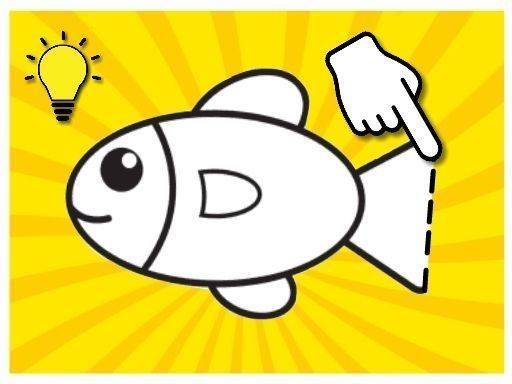
Complete the Picture Puzzle succeeds by removing the usual pressures of puzzle games: no timer, no score, and no single correct answer. The loop of studying an incomplete image, drawing the missing part, and comparing with the original encourages observation and imagination in equal measure. Its family-friendly design and simple controls make it easy to share across ages. The main limitation is that players seeking challenge, competition, or progression systems will find little here. It is best suited to short, relaxed sessions and group play where the drawing itself is the reward.
Each round presents an image with one clearly missing area. The visible portions act as clues. Players study shapes, colors, and context to decide what the full picture should look like. Then they draw directly on the screen with a finger or mouse to fill the gap. After the drawing is finished, the original complete image appears for comparison. That reveal is the core feedback loop: players see how their interpretation matched or differed from the source.
The game deliberately avoids a single correct solution. A missing section could be completed in many plausible ways, and the comparison step is informational rather than judgmental. This design removes the pressure of a scoring system or timer. Players who enjoy open-ended creative tasks will find that the guessing and drawing steps reinforce each other: observation informs the drawing, and the drawing tests how well the clues were read.
Input is limited to direct drawing on the screen. There are no complex tools or menus described. After finishing, players can share their creation with friends and family. That sharing option turns each round into a small social moment, which fits the family-oriented tags. The lack of time pressure means rounds can be as quick or as unhurried as the player chooses.
Complete the Picture Puzzle targets a broad audience, including children and adults who prefer low-stakes creative play. The combination of guessing and drawing makes it accessible to people who do not consider themselves artists, because the goal is interpretation, not technical skill. Families looking for a shared activity can take turns drawing and comparing results. Anyone seeking a competitive or fast-paced puzzle should look elsewhere; this game is built around relaxed observation and imagination.
Sign in to comment
You must be logged in before posting a review or rating.
No comments yet. Be the first to comment!





Editorial Notes